The AirJelly Blog
Thinking out loud.
Product notes, practical guides, and lessons from building the screen context layer for you and your AI agents.
Explore ideas, discoveries, and stories from AirJelly.
20 storiesGet Started
Install AirJelly, let it build context from your work, then use Rewind, Chat, and Recall to put that context to use.
Install AirJelly and Sign In
Set up AirJelly on your desktop, sign in, grant the permissions it needs, and start your first session.
Understand Context
In AI, context is the working memory a model can reference when it generates a response. AirJelly extends that idea across your desktop workflow, so the background behind your work can be remembered and reused later.
What Is Proactive AI?
Proactive AI uses the context you have already built to surface timely help before you need to reconstruct the situation or ask from scratch.
Claude Code & Codex: Carry Work Context Across Apps
Use AirJelly Recall to bring relevant work context into Claude Code or Codex, check the original records, and continue an unfinished task.

AI That Reads Your Screen and Answers Questions: How Can It Help Me?
Learn how AI can read your screen, answer questions about visible apps, and where screen-only context may still miss important information.
 Zoey

What Is On-Screen AI and How Is It Different From a Context Layer?
Compare on-screen AI with a context layer: temporary screen sharing, authorized desktop context, retained memory, privacy controls, and follow-up.
 Rui

People Change, and Agents Should Too
People change, so personal agents need memories that leave room for new preferences, uncertain motives, and the person in front of them at each conversation.
 Alan Yuan

Why I Rebuilt My AI Agent
An AI agent rebuild taught Charlie where state, model context, service boundaries, and shared deployment responsibilities diverge, with lessons from failures.
 Charlie

Joining a Young AI Agent Company: What Does It Take?
Life at a young AI agent company, from the first task to earning trust: curiosity, shared context, timely reminders, and following through on commitments.
 Lena

Who Gets to Define a Good Agent?
A writing collaboration led me to rethink good agent evaluation: whether results serve the user’s purpose, how feedback changes goals, and why trust is earned.
 Daisy

When AI Is Everywhere, What Kind of Future Are We Building?
We do not need a world that is merely more intelligent. We need a world that is better at turning intelligence into long-term public value.
Zoey
People Are Vessels of Context and Agents of Action. So Is AirJelly.
On shared context, continuity, and an intelligence that remembers our past and helps us act—while leaving our judgment and our context in our own hands.
 Ritchie

You know that, I am a hardware engineer
Music, games, and the everyday context beyond a chat window: a hardware engineer’s thoughts on building AI that understands us while leaving room to be ourselves.
 Mercer

Does the Company Really Own What AI Creates?
How companies can build a defensible chain of rights when people and AI create together.
 Shan
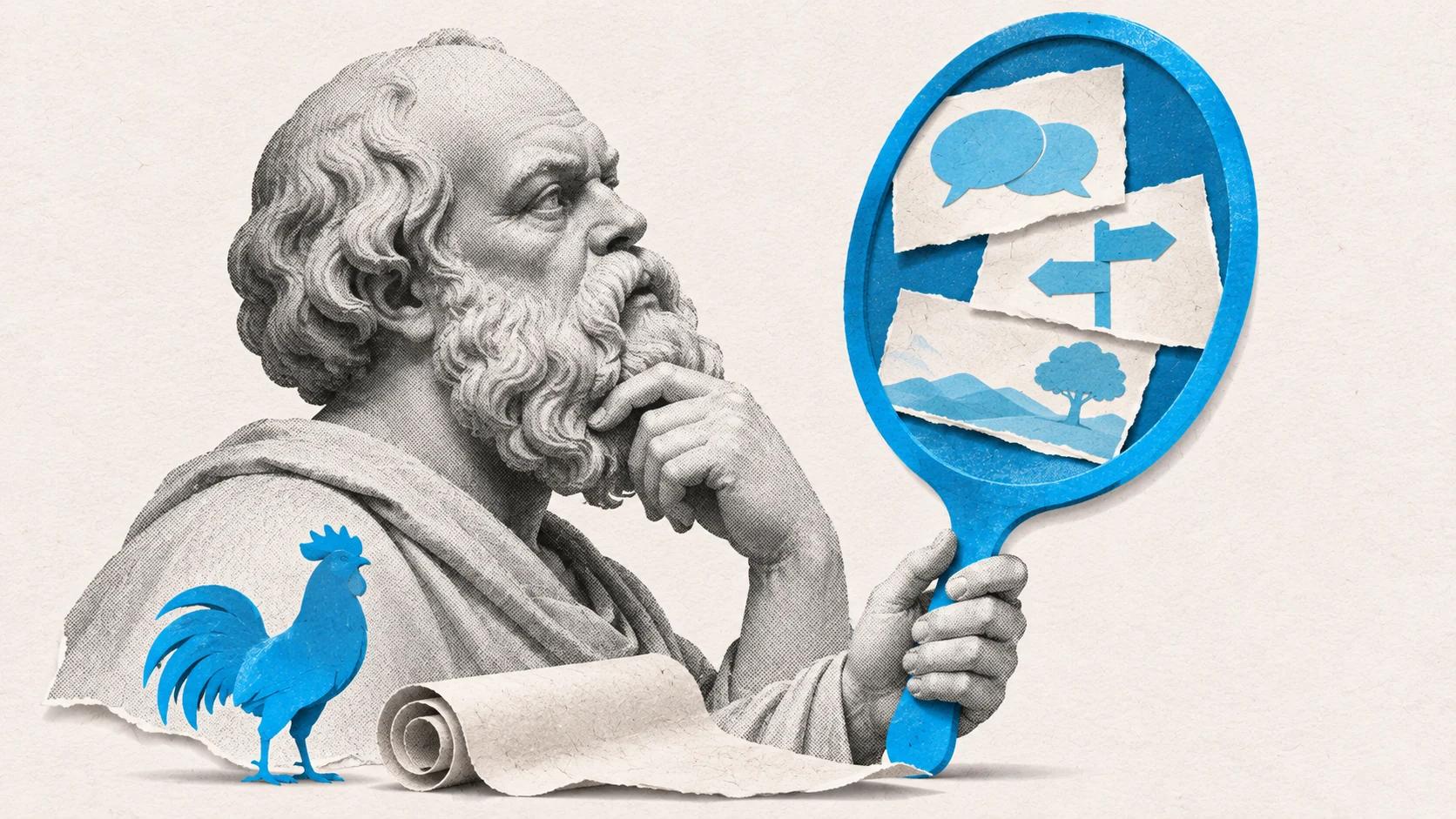
What If Socrates Had Used AirJelly?
A thought experiment on self-knowledge, unfinished business, and how personal memory gives experience a chance to become wisdom.
Rui
Designing the Jellyfish: Shape, Pixels, and Light
How AirJelly draws its pixel jellyfish at runtime from bell curves, a low-resolution renderer, and a small dithered light map.
 Hua

Exploring Proactive Agents at AirJelly: Working the Way You Do
An architectural perspective on proactive agents, user context, ongoing collaboration, and plugins that both trigger agents and provide tools.
 Jerry

The Medieval Art of Promotion for AI Founders
What Renaissance Florence can teach AI founders about winning capital, legitimacy, users, and public trust.
 Bolt

When AI Can Decide What to Do Next, What Is Software For?
Models generate possibilities; software turns possibility into order — eight principles from building a complex AI system.
 Error

DeepSeek Harness Explained: Coding Agent vs Meta Harness
DeepSeek Harness combines a coding agent with a pluggable runtime. Compare the two layers, how plugins fit, and why real-task feedback still matters.
 ziwen
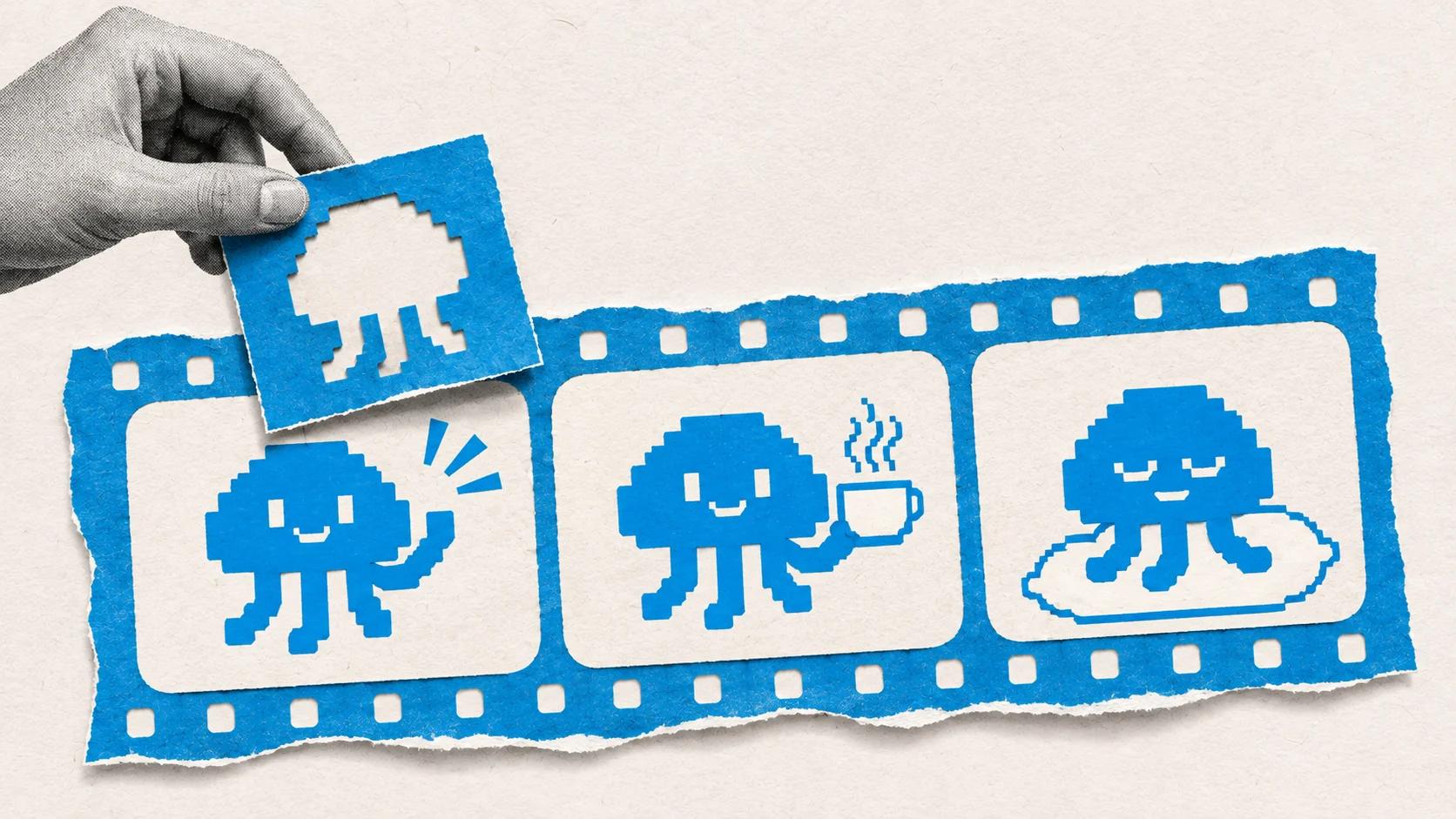
Pixelorama MCP: Consistent Pixel GIFs With Claude
Use Claude, Pixelorama MCP, and a reusable Skill to create pixel animations that preserve your character's style, then preview and export consistent GIFs.
 yyy

From Context Accumulation to Context Consumption
Why AirJelly is moving from sensing and storing context to helping people actively use it.
 KUKOO

The Granularity Problem in GenUI: Where Should LLM Generation Stop?
Why more generation freedom made our UI worse — and why we stop the LLM at the product-semantics layer.
 wanghelan

Two Flywheels: A Management Model Built for AI Startups
One big office holds down the present, one small office runs toward the future — and three roles emerge on their own.
 Alex